Universidad Nacional de Asunción (UNA), Paraguay
Client: Faculty of Engineering, Universidad Nacional de Asunción (FIUNA)
Location: San Lorenzo, Paraguay
Technology Focus: 65” 4K Interactive Object Recognition Table, Multi-user Collaboration, BIM Integration
Executive Summary
The Universidad Nacional de Asunción (UNA), Paraguay's leading research institution, sought to modernize its Faculty of Engineering (FIUNA) by moving beyond traditional 2D blueprints and static 3D models. By implementing a state-of-the-art Interactive Object Recognition Table, the university successfully bridged the gap between physical engineering concepts and digital twins. This intervention resulted in a 40% increase in student engagement and provided a sophisticated platform for complex urban planning and structural analysis simulations.
1.The Challenge: The "Screen-to-Reality" Gap
For decades, engineering education at UNA relied on high-end CAD software. However, students often struggled with the transition from individual workstation monitors to collaborative, real-world applications.
The faculty identified three primary hurdles:
Isolation in Design: Standard PCs limited collaboration; only one student could drive the software while others watched.
Spatial Cognition: Visualizing large-scale infrastructure projects (bridges, hydroelectric dams, urban grids) on small, vertical screens lacked the "tangibility" required for deep spatial understanding.
Static Presentations: Final project reviews were often passive, lacking the interactivity needed for "what-if" scenario testing in real-time.
The Solution: Tangible UI via Object Recognition
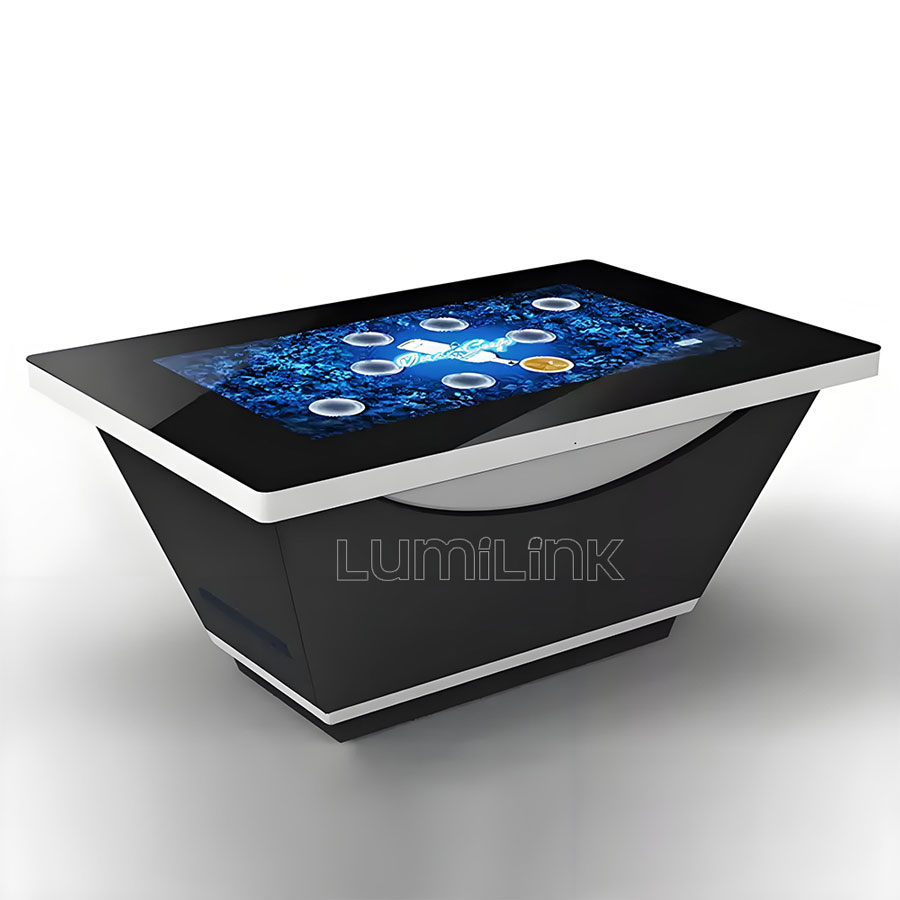
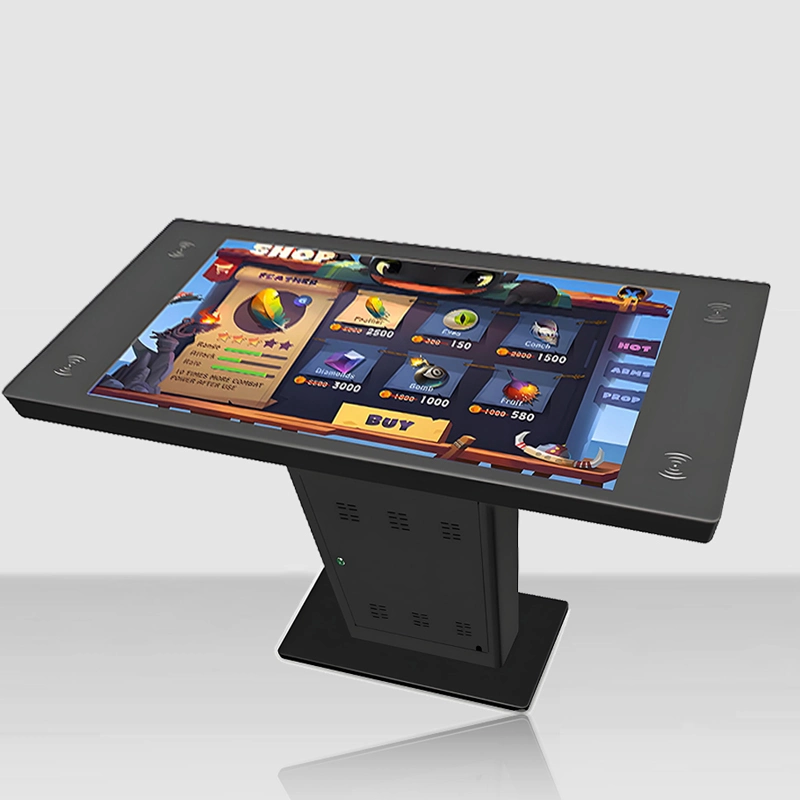
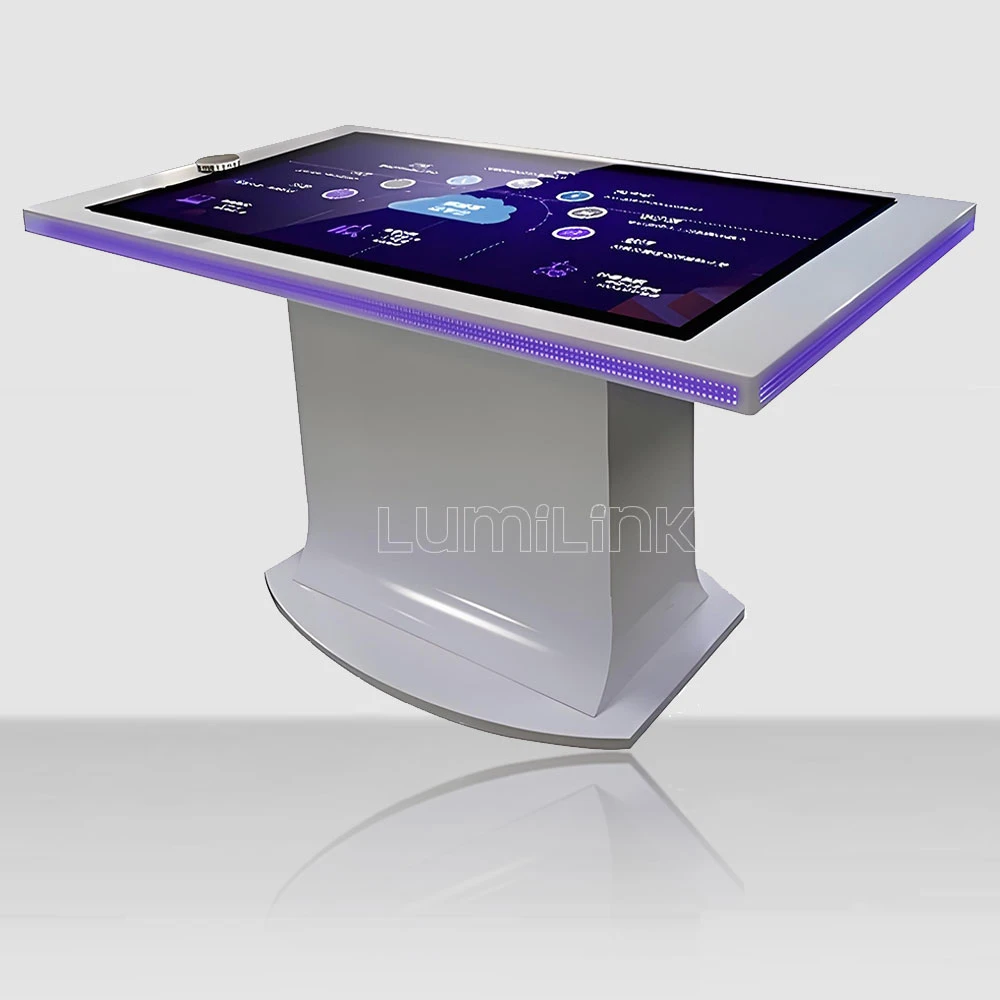
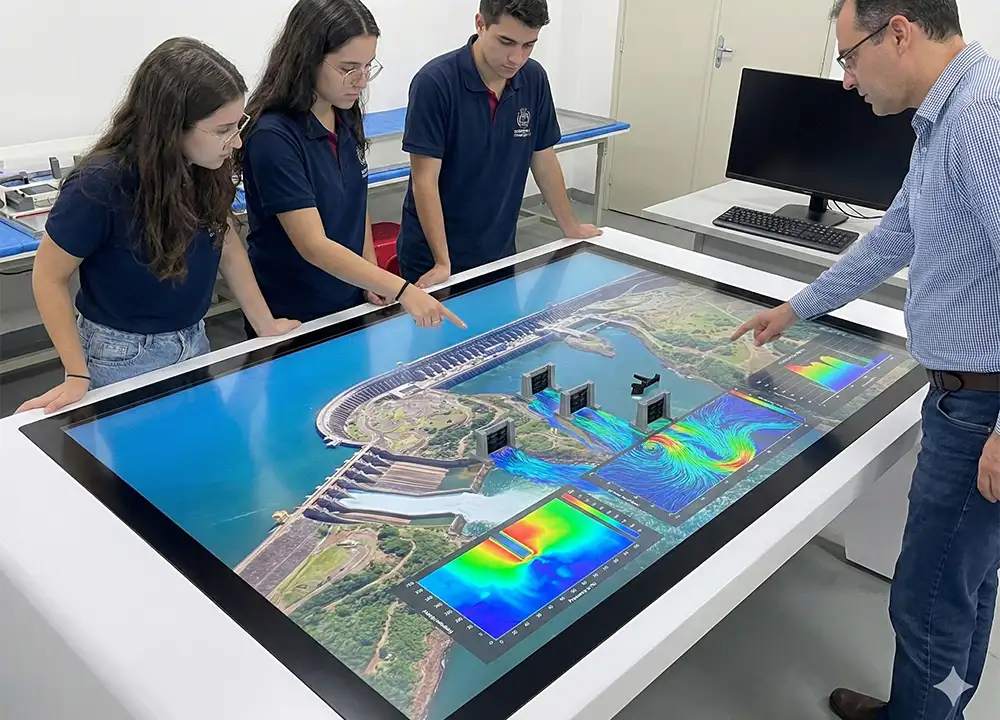
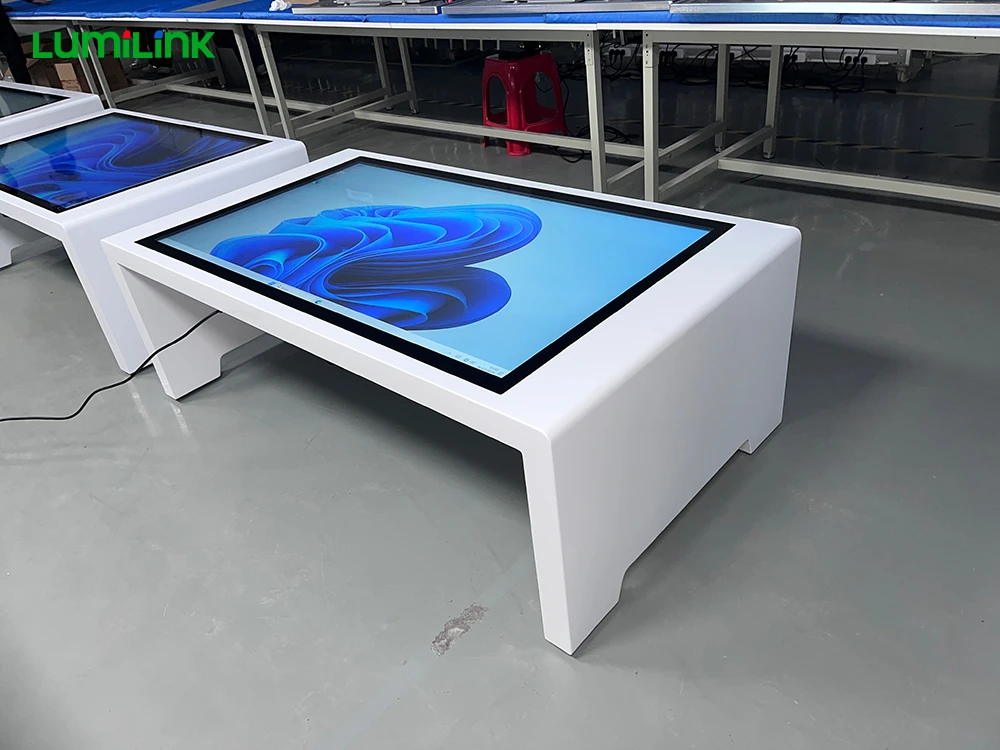
UNA deployed a 65-inch 4K Interactive Table equipped with advanced Object Recognition (Tangible User Interface) technology. Unlike a standard touch screen, this table recognizes physical "markers" directly on its surface.
Key Technical Features at FIUNA:
Object Recognition (Markers): Students place physical 3D-printed miniature buildings or bridge components on the glass. The table instantly identifies the object, projecting relevant data, stress-test analytics, or architectural layers around it.
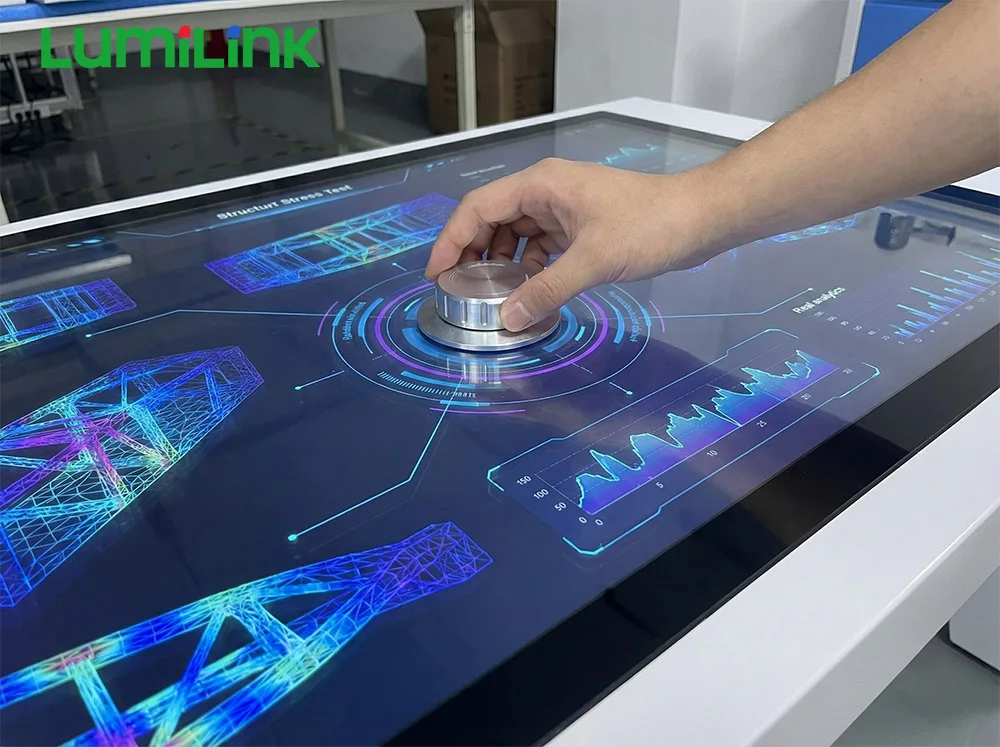
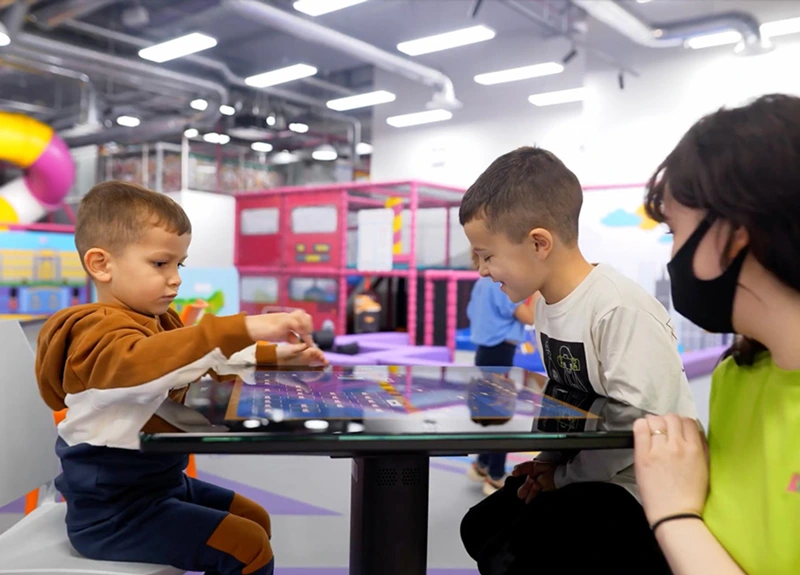
Massive Multi-Touch: With 40 simultaneous touchpoints, an entire group of 6-8 students can interact with a digital landscape at once, fostering a "War Room" style of collaborative problem-solving.
BIM & GIS Integration: The table functions as a massive portal for Building Information Modeling (BIM) software, allowing students to "walk through" layers of a building—from electrical wiring to structural steel—using physical dials to rotate and slice the 3D model.
Implementation: From Urban Planning to Structural Hydraulics
he deployment focused on the Civil Engineering and Architecture departments. In one notable project involving the Itaipu Dam simulations, students used the table to visualize hydraulic flow patterns. By placing physical "dam gates" (markers) on the digital river map, they could observe real-time data changes in water pressure and energy output projected directly onto the tabletop.
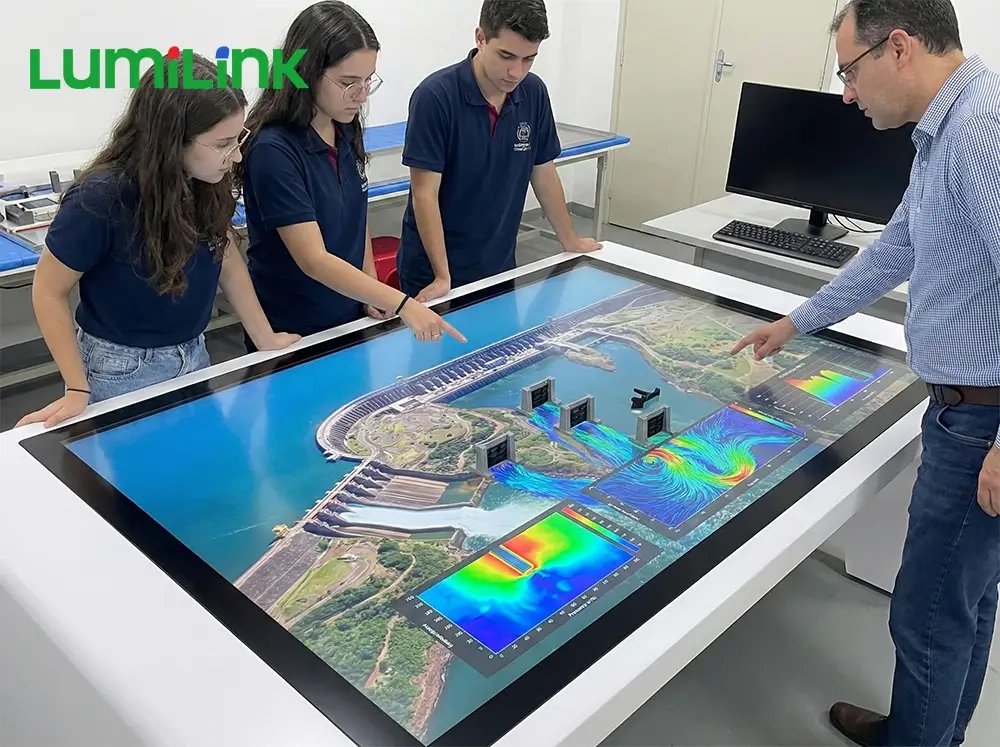
This haptic feedback—the ability to touch, move, and physically manipulate digital data—transformed the laboratory from a computer lab into an interactive simulation center.
Key Results and Academic Impact
The adoption of the interactive table at UNA has set a new benchmark for technical education in South America:
Enhanced Collaborative Learning: Peer-to-peer communication during design phases increased significantly, as the horizontal "table" format broke down the hierarchy of the traditional classroom.
Improved Spatial Retention: Students reported a better understanding of structural scales and urban density when interacting with models in a 1:1 tactile environment.
Industry Readiness: Graduates are now entering the Paraguayan workforce with experience in "Command and Control" environments, mirroring the digital transformation of modern global engineering firms.
Research Innovation: The faculty is now using the table for government-contracted urban planning projects, providing a high-tech platform for public stakeholders to visualize future city developments.
Conclusion
The Universidad Nacional de Asunción has proven that the future of engineering is not just digital—it is tangible. By integrating the Interactive Object Recognition Table, FIUNA has empowered the next generation of Paraguayan engineers to touch the future of design, ensuring that their theoretical brilliance is matched by practical, collaborative innovation.
We will provide you with professional solutions,
After receiving your message, we will contact you in time