
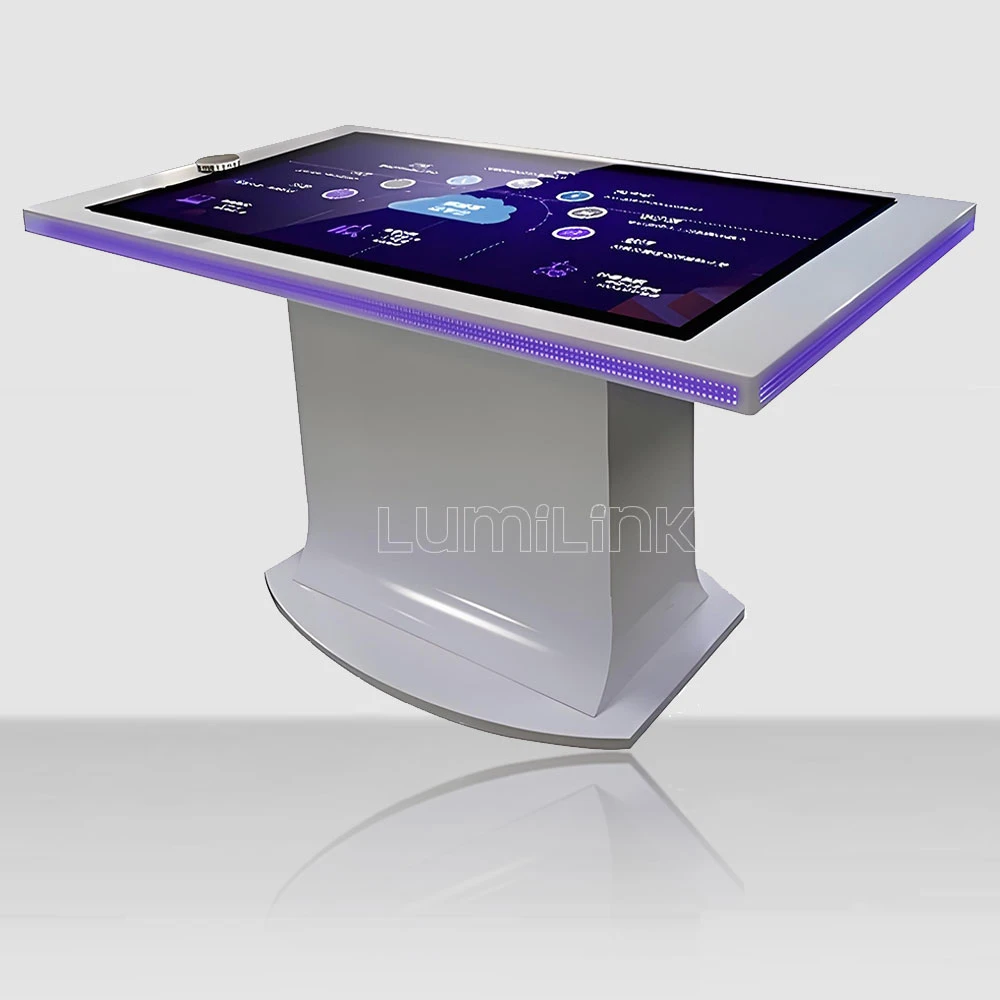

Forget about quiet upgrades. The right interactive restaurant tables aren't just a tech gimmick; they're a strategic tool that directly attacks overhead, boosts average check size, and turns passive diners into engaged customers. I've watched too many owners invest in flashy, underutilized tech. The real ROI comes from systems designed for the harsh, fast-paced reality of food service. This is about turning your table surface into your hardest-working employee.
Why Your Operation Needs Smart Dining Tables Now
The pain points are universal: long wait times during peak hours, order inaccuracies, menu upselling that depends on server memory, and a dining experience that struggles to stand out. Smart interactive tables address these by digitizing the core customer journey. The immediate win is slashing the time from seating to order submission—often by over 50%—freeing your staff to focus on hospitality, not notetaking. For procurement managers, this isn't a frivolous purchase; it's an operational efficiency tool that impacts labor cost allocation and customer throughput.
How the Technology Creates Tangible Business Value
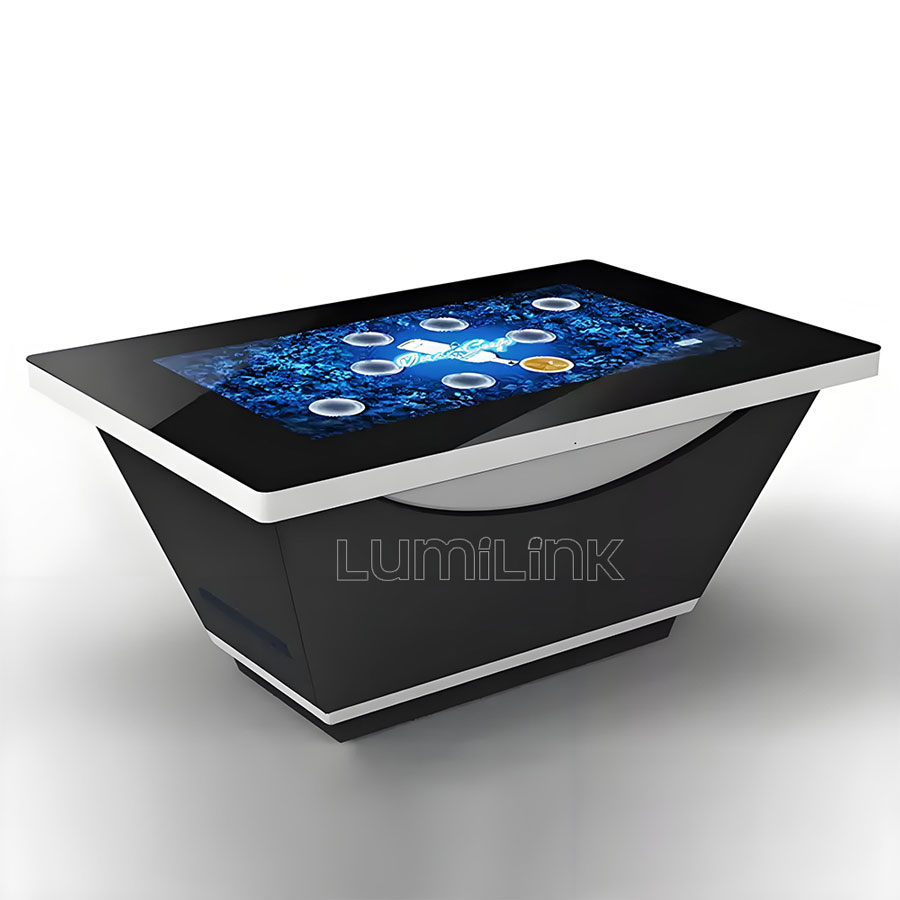
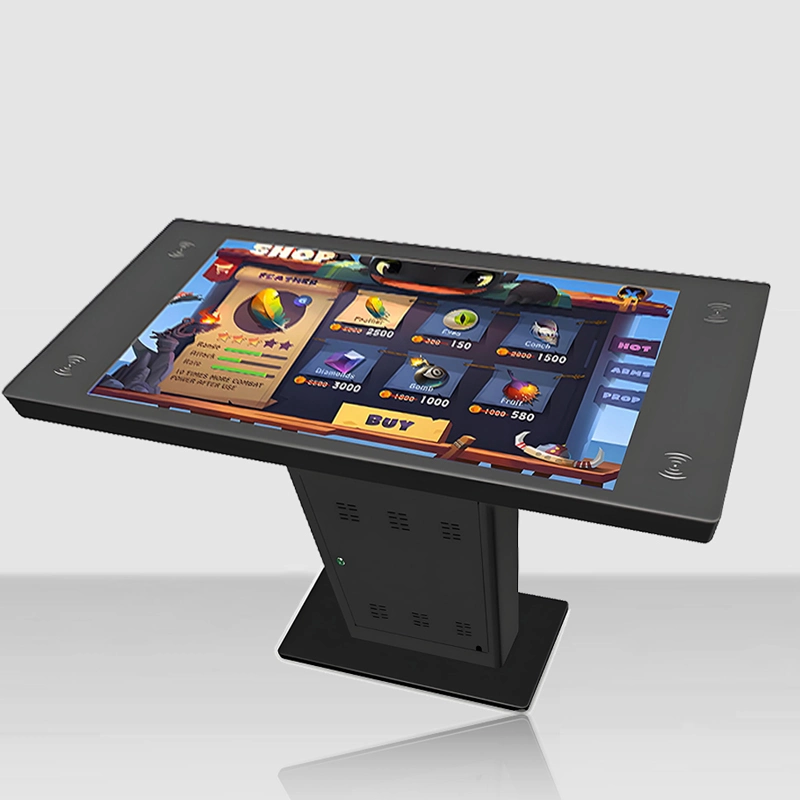
The hardware—a robust, multi-touch screen sealed against spills—is just the vessel. The value is unlocked by the software and its integration into your workflow.
1. Supercharge Front-of-House Efficiency
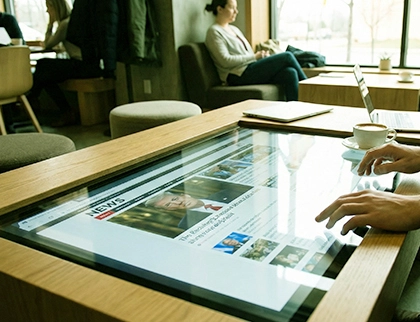
An integrated smart ordering table allows guests to browse, customize, and order at their own pace. This reduces the "order lag" after seating and eliminates miscommunication between patron, server, and kitchen. The result? Faster table turnover and a more predictable kitchen ticket flow.
2. Drive Incremental Revenue Effortlessly
Static paper menus are limited. Digital menu tables enable dynamic, visual upselling. Highlight high-margin specials with enticing photos or videos. Suggest premium add-ons ("Add truffle fries for $4?") or drink pairings at the logical moment. This visual, seamless suggestion consistently lifts average check values by 15-25%, according to operators I've spoken with.
3. Create an Unforgettable Brand Experience
A multi-touch interactive table is an entertainment hub. Beyond ordering, it can showcase the story of your farm-to-table ingredients, feature a curated wine list with sommelier notes, or allow guests to play collaborative games while waiting. This transforms dead time into engagement time, encouraging social sharing and repeat visits.
4. Capture Critical Operational Data
Every interaction is a data point. Learn which menu items are most viewed versus ordered, popular customization options, and peak engagement times. This intelligence informs inventory, menu engineering, and marketing strategies, moving decisions from gut feeling to data-driven insight.
Choosing Your Solution: Key Considerations for Buyers
Not all tables are built for a 12-hour service shift. Here are the non-negotiable factors for a B2B buyer:
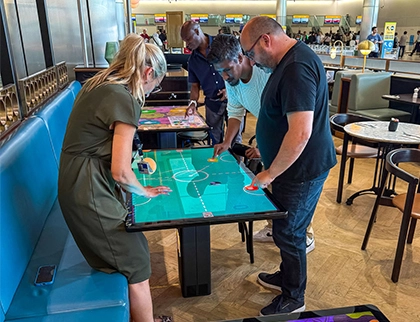
From my involvement in several front-of-house tech projects, the integration phase is critical. A solution like Lumi Link often comes up in discussions with system integrators for its balance of a robust multi-user touch interface and a reliable backend CMS that plays nice with major POS APIs. Its anti-glare, 4K display holds up well under direct restaurant lighting—a small spec that makes a big difference in usability.
The final calculation is simple: if a smart dining table can increase your average ticket by 20% and turn a table twice on a busy night, the payback period becomes compellingly short. It shifts the investment narrative from décor to direct profit generation.