
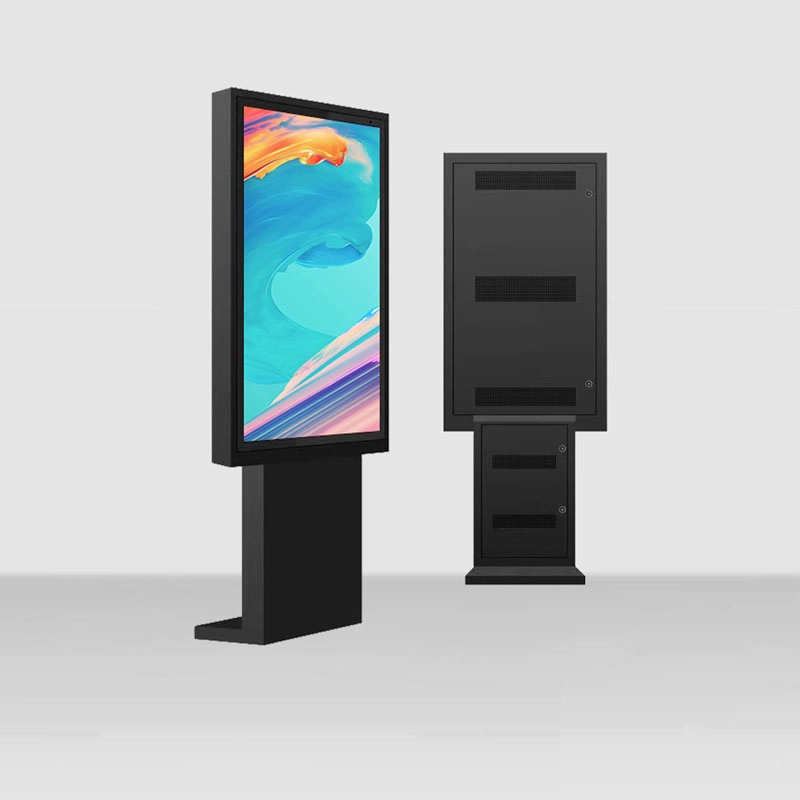
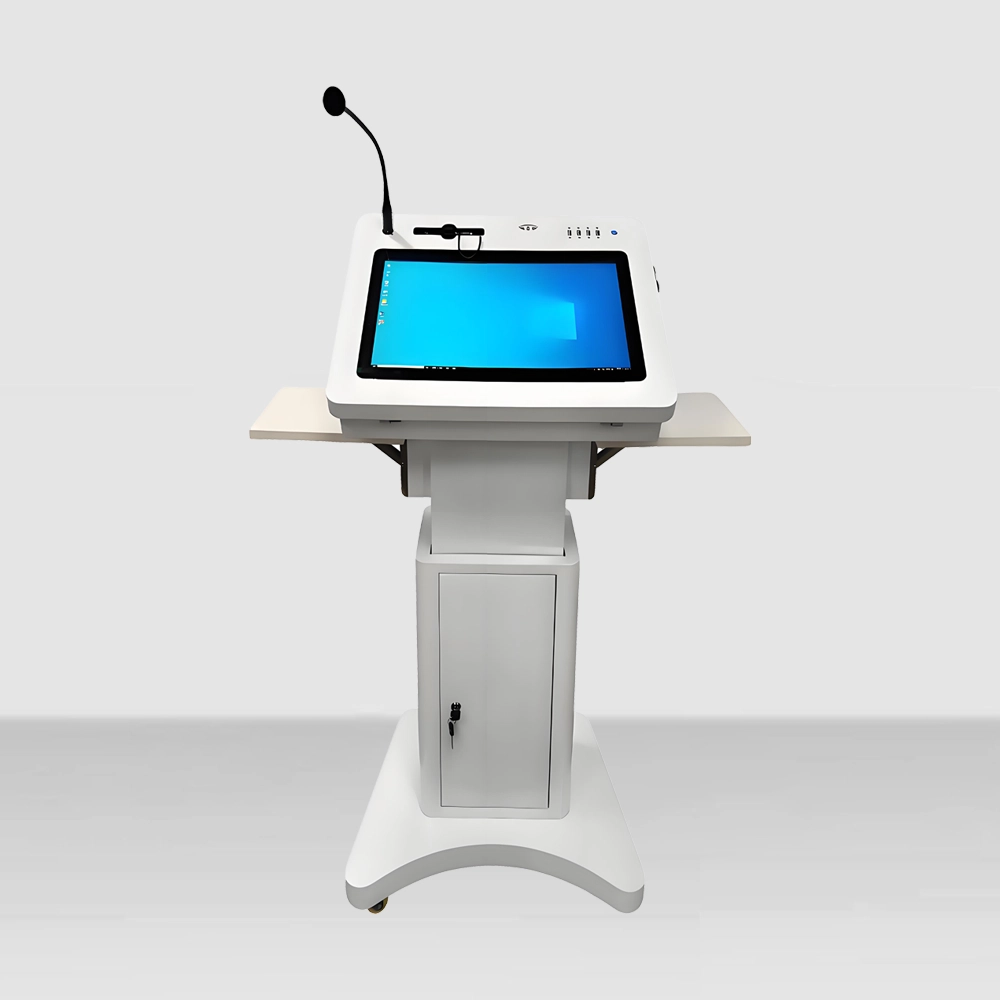
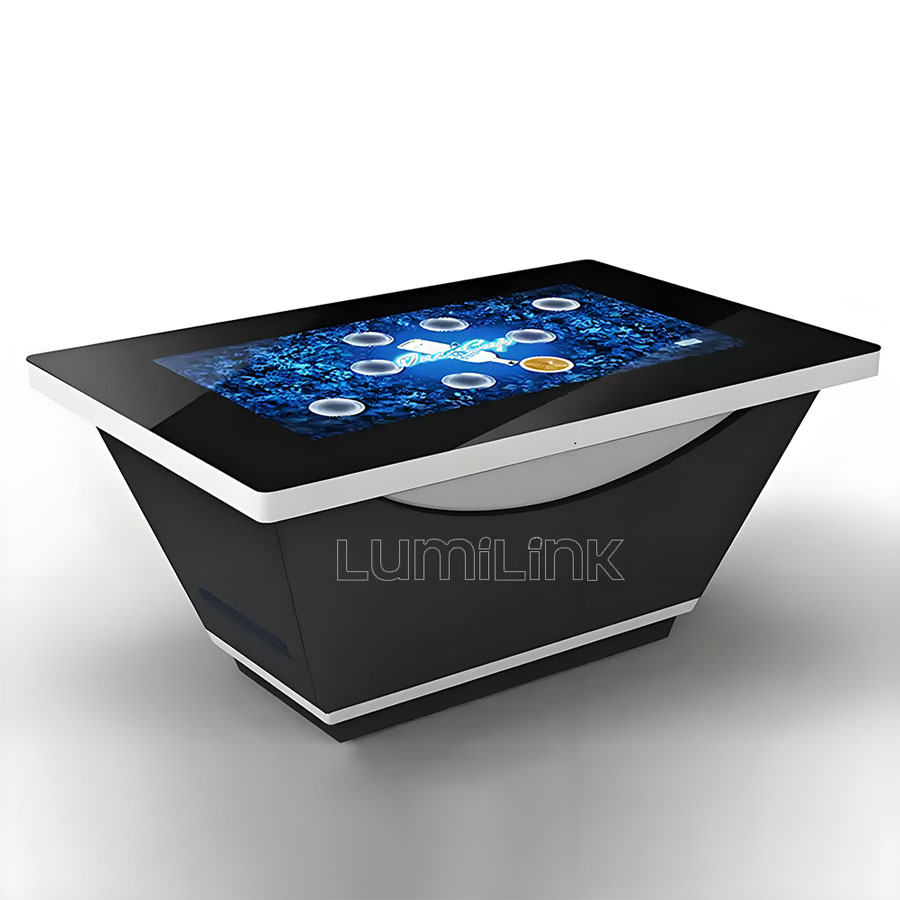
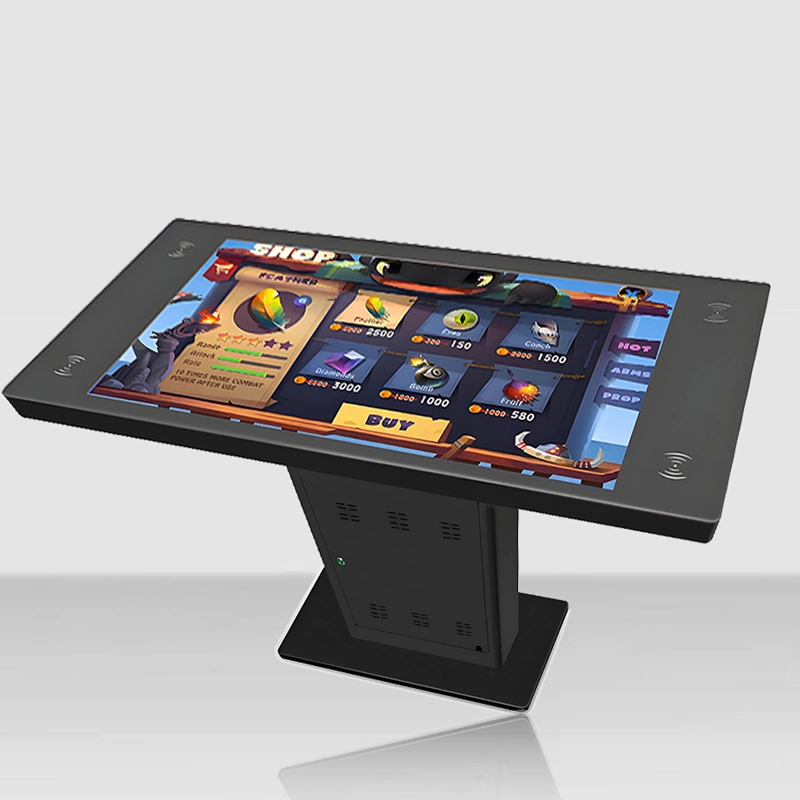
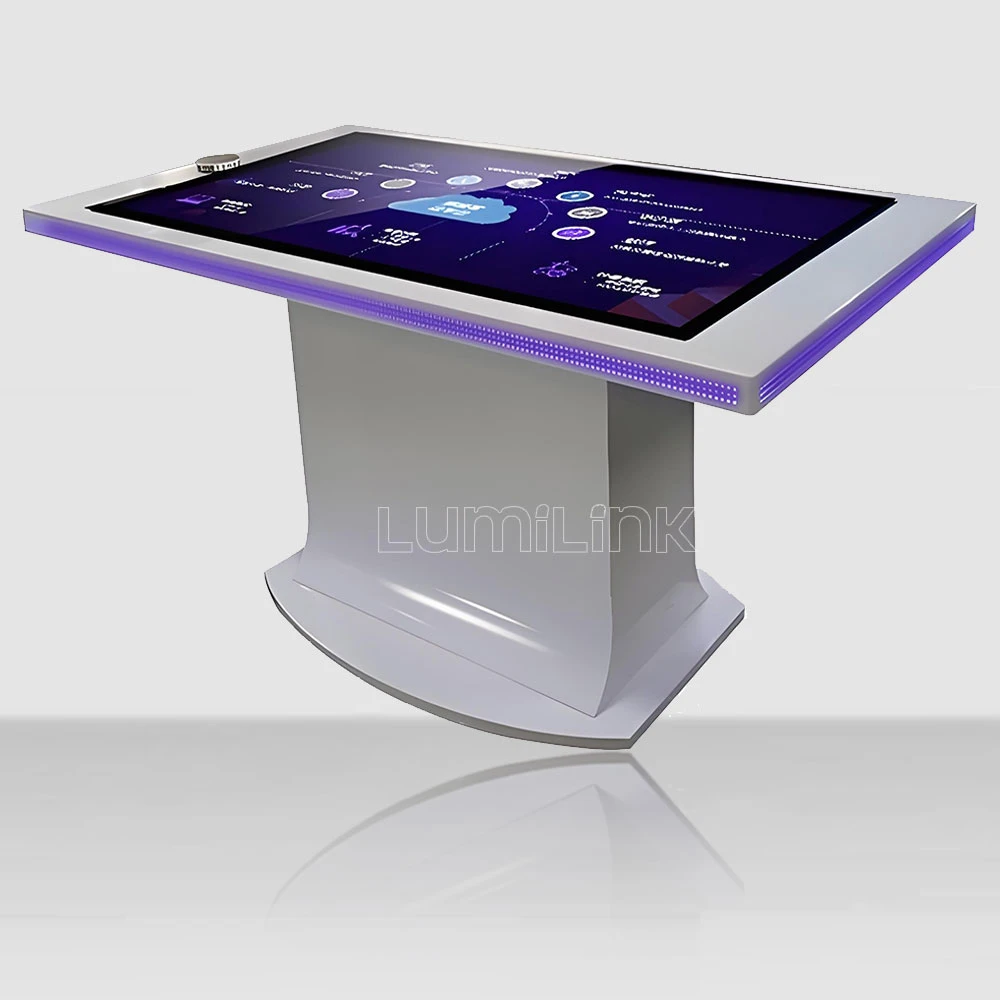

The client brief landed on my desk in March: design a 6-person interactive installation for a luxury automotive brand's flagship showroom in Shanghai. The space had a curved wall, a non-standard floor inlay, and a ceiling height that ruled out any off-the-shelf touch table. The brand director's words were simple: "It cannot look like a screen on a box. It needs to look like it grew here." That was the moment I realised we needed a custom shape multi touch display table — not a standard rectangular table with a logo sticker, but a genuinely custom-shaped unit built around the architecture.
This article is not a product pitch. It is a project journal. I am going to walk you through the decisions, trade-offs, and hard lessons from sourcing and deploying a custom-shaped touch table for a high-end exhibition space, so that when your project brief arrives, you know exactly what to ask for and what to watch out for.
What "Custom Shape" Really Means in This Industry
Most suppliers use "custom" loosely. They mean: you can choose the colour of the enclosure and add your logo. That is branding, not custom shape. A true custom shape multi touch display table involves redesigning the physical enclosure, re-engineering the touch overlay to match a non-rectangular active area, and potentially modifying the display panel layout.
There are three levels of customisation in this industry, and knowing which one you actually need saves thousands of dollars and weeks of engineering time:
Level 1 — Cosmetic Customisation. Standard rectangular table with custom RAL colour enclosure, laser-etched logo, and custom boot screen. Lead time: 2-3 weeks. Cost premium: 5-10%. This is what most suppliers mean when they say "custom." If your project just needs brand consistency, Level 1 is sufficient and you should not pay for more.
Level 2 — Form Factor Customisation. Non-rectangular enclosure shape (round, oval, hexagonal, L-shaped, curved edge), but standard rectangular display panel inside. The touch overlay is standard, but the physical housing is custom-cut. Lead time: 4-8 weeks. Cost premium: 20-35%. This is what most exhibition designers actually need.
Level 3 — Full Custom Engineering. Non-rectangular active touch area, custom display panel layout (segmented displays, curved displays, multiple panels tiled), and bespoke structural engineering. Lead time: 8-16 weeks. Cost premium: 50-100%+. This is what the automotive brand needed for their Shanghai showroom.
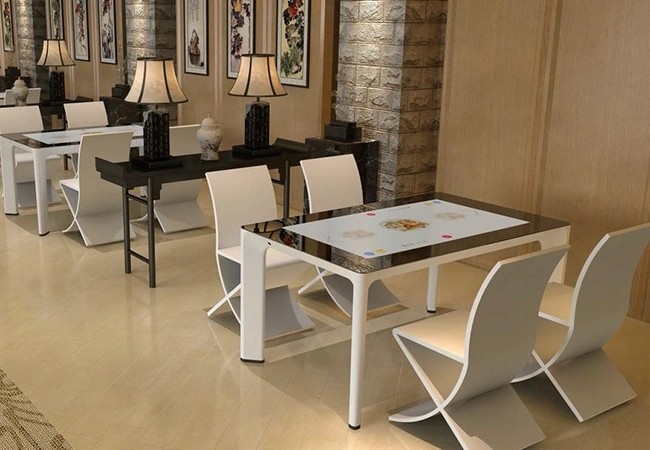
The Project Brief: Translating Design Vision into Engineering Specs
Our project required a curved-edge table that followed the radius of the showroom's feature wall — a 4.2-metre-wide arc with a 3-metre radius. The active touch area needed to cover approximately 70% of the surface, with the remaining 30% serving as a passive display zone showing the brand's vehicle lineup. The table height was fixed at 720mm to match the sightline of standing adults, which is lower than the standard 750mm table height.
Translating this brief into engineering specifications required answering four questions that every custom shape project must resolve:
1. What is the active touch area geometry? Standard touch overlays are rectangular because infrared frames are manufactured in straight lines. A curved edge means the touch overlay must either be undersized (leaving dead zones at the edges) or custom-engineered with a curved frame. We chose the latter, which required a custom aluminium extrusion bent to the wall radius. This alone added 3 weeks to the lead time.
2. How is the display panel laid out? We used a standard 55-inch 4K panel as the primary display, supplemented by two 32-inch panels mounted at the curved edges to extend the visual area. The three panels were driven by a single PC with a multi-output graphics card, with the operating system configured to treat them as one continuous desktop with custom resolution mapping.
3. What materials are used for the enclosure? The client specified brushed aluminium for the side panels and tempered glass with anti-glare coating for the top surface. The enclosure base was powder-coated steel for structural rigidity. Material selection affects not just appearance but also thermal performance — aluminium dissipates heat better than steel, which matters for tables running 12+ hours a day.
4. How is the table serviced? Every custom table needs an access panel for maintenance. We designed a removable side panel with concealed fasteners, allowing a technician to access the PC, display controller, and touch frame controller without disassembling the entire unit. If you cannot service a custom table, a single component failure turns it into an expensive paperweight.
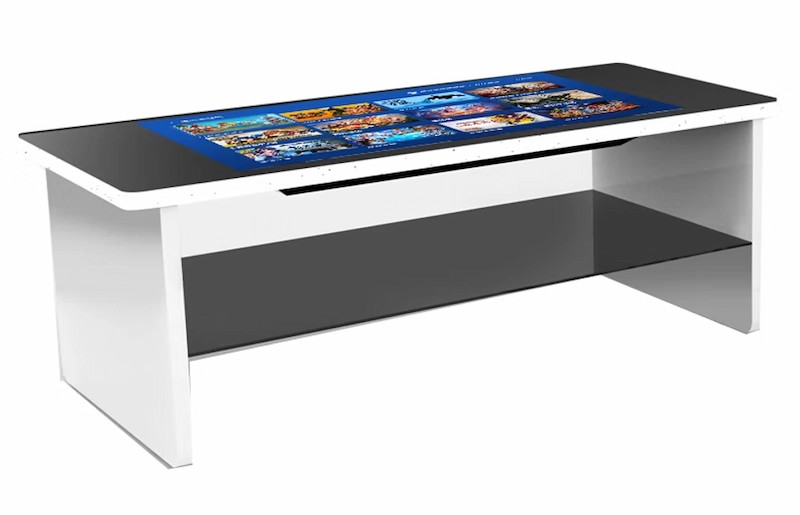
The Hidden Costs of Custom Shape Projects
After completing this project, I compiled a list of costs that caught us by surprise — not because the supplier was dishonest, but because custom projects have failure modes that standard products do not. If you are budgeting for a custom shape multi touch display table, plan for these:
Prototyping and iteration. We went through two prototype revisions before finalising the enclosure. The first prototype's curved edge did not match the wall radius within tolerance (off by 12mm), requiring a re-cut. The second prototype's touch overlay had interference issues at the curved frame joints. Each prototype cycle cost approximately $800-1,200 in materials and labour. Budget for at least two prototype iterations on any Level 2 or Level 3 custom project.
Software calibration. Multi-panel touch tables require custom calibration to map touch coordinates correctly across panel boundaries. Standard touch drivers assume a single rectangular surface. We spent 16 engineering hours writing a custom calibration routine that maps the curved touch frame coordinates to the multi-panel display layout. This is not something you can buy off the shelf — it requires a supplier with in-house software engineering capability.
Shipping and installation. Custom-shaped tables do not fit standard flight cases. We built a custom wooden crate with foam inserts matching the table's unique geometry. Shipping cost was 40% higher than a standard table of similar weight. Installation required two technicians on site for a full day, plus a return visit for software calibration after the table settled into its thermal equilibrium.
Choosing the Right Supplier for Custom Shape Work
Not every manufacturer can do custom shape work. Most touch table factories are optimised for high-volume rectangular tables — their production lines, tooling, and QC processes are built around standard dimensions. When you ask them for a curved-edge table, they subcontract the enclosure work to a third-party metal shop, which introduces quality control gaps and timeline risks.
Here is what I learned to look for when evaluating a supplier for custom shape projects:
In-house CNC machining capability. The supplier should have their own CNC router and laser cutter, not just assembly facilities. Ask for photos of the machining area. If they subcontract all custom fabrication, you are paying a markup and adding a link to the supply chain that can break.
Dedicated engineering team. Custom projects require mechanical engineers (enclosure design), electrical engineers (panel layout and wiring), and software engineers (touch calibration and multi-panel configuration). Ask how many engineers are on staff and whether they are full-time employees or freelancers. Freelancers disappear when they get a better-paying gig.
Portfolio of completed custom projects. Ask for photos and case studies of non-rectangular tables they have actually shipped — not renders, not prototypes, but installed units. If they can only show standard rectangular tables with different logos, they have not done real custom shape work.
Willingness to do a video factory tour. A supplier confident in their custom capabilities will happily walk you through their facility on a video call. You should see the machining area, the assembly floor, and the QC testing station. If they deflect or offer only a marketing video, they are hiding something.
Timeline Realism: How Long Custom Actually Takes
Every client asks the same question: "How fast can you deliver?" The honest answer for a Level 2 custom project is 6-8 weeks from design approval to installation. For Level 3, plan for 10-16 weeks. Here is the breakdown of where that time goes:
Design and engineering: 1-2 weeks. This includes CAD modelling, touch overlay layout, panel placement, and thermal simulation. Do not rush this phase — every hour spent in CAD saves ten hours in physical rework.
Prototype fabrication: 2-3 weeks. CNC machining, assembly, and initial testing. The prototype reveals fitment issues that CAD cannot catch — thermal expansion gaps, cable routing conflicts, and touch frame interference at joints.
Production fabrication: 2-4 weeks. Once the prototype is approved, the production unit is built with final materials and finishes. This is faster than prototyping because the design is locked, but custom materials (brushed aluminium, specific RAL colours) may have their own lead times.
Software configuration and calibration: 1 week. Multi-panel setup, touch coordinate mapping, and content management system integration. This phase is often underestimated because it requires both engineering expertise and on-site testing.
Shipping and installation: 1-2 weeks. Custom crating, freight, and on-site setup with calibration. Plan for a return visit 1-2 weeks after installation to recalibrate after the table reaches thermal equilibrium in the actual environment.
Common Mistakes in Custom Shape Projects
After completing this project and consulting on several others, I have seen the same mistakes repeat across different teams and suppliers. These are the ones that cause the most schedule slippage and budget overrun:
Mistake 1: Starting fabrication before the design is frozen. The temptation to start cutting metal while the design is still being tweaked is enormous — especially when the client is pushing for speed. But every design change after fabrication begins means rework, and rework on custom components is expensive. On our project, the client requested a cable management access change after the first prototype was cut. The rework cost $600 and added four days. Lock the design, get written sign-off, then cut.
Mistake 2: Underestimating software complexity. Custom shape tables often require custom software configuration — multi-panel display mapping, touch coordinate calibration, and sometimes custom drivers. Teams that budget 2-3 hours for software configuration routinely spend 2-3 days. Allocate a full week for software setup and calibration, and have a software engineer on standby during installation.
Mistake 3: Ignoring thermal management. Custom enclosures change the thermal dynamics of the table. A curved enclosure may restrict airflow in ways that a rectangular enclosure does not. Run thermal simulations during the design phase, and if the simulation shows hot spots, add ventilation or active cooling before fabrication. We discovered a 5-degree temperature differential between the straight and curved sections of our table, which required adding a secondary fan in the curved section.
The Result
The table was installed in the Shanghai showroom seven weeks after design approval — within the projected timeline, though not without stress. The curved edge matched the wall within 2mm tolerance. The multi-panel display created a seamless visual surface that visitors perceive as a single integrated unit. The touch response is flawless across 95% of the surface, with minor calibration drift at the extreme curved edges that we corrected during the follow-up visit.
The brand director's reaction when he saw it powered on for the first time: "This is exactly what I imagined." That is the goal of custom shape work — not to build a table, but to build the table that a specific space demands. If you are planning a custom shape multi touch display table project, contact Lumilink with your design brief. Our engineering team will review it and provide a feasibility assessment, timeline estimate, and quotation within 48 hours.