
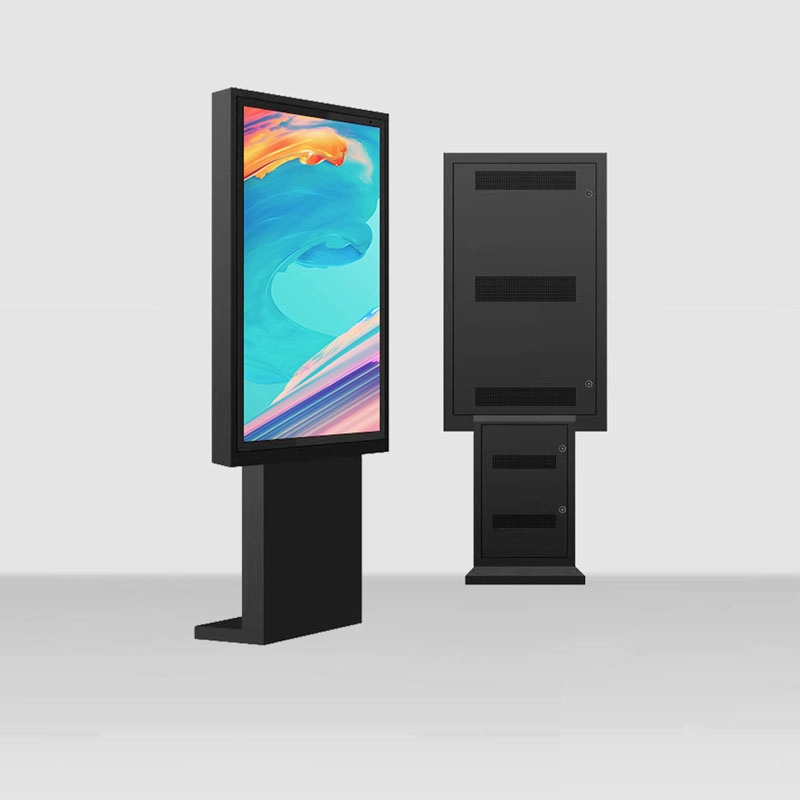
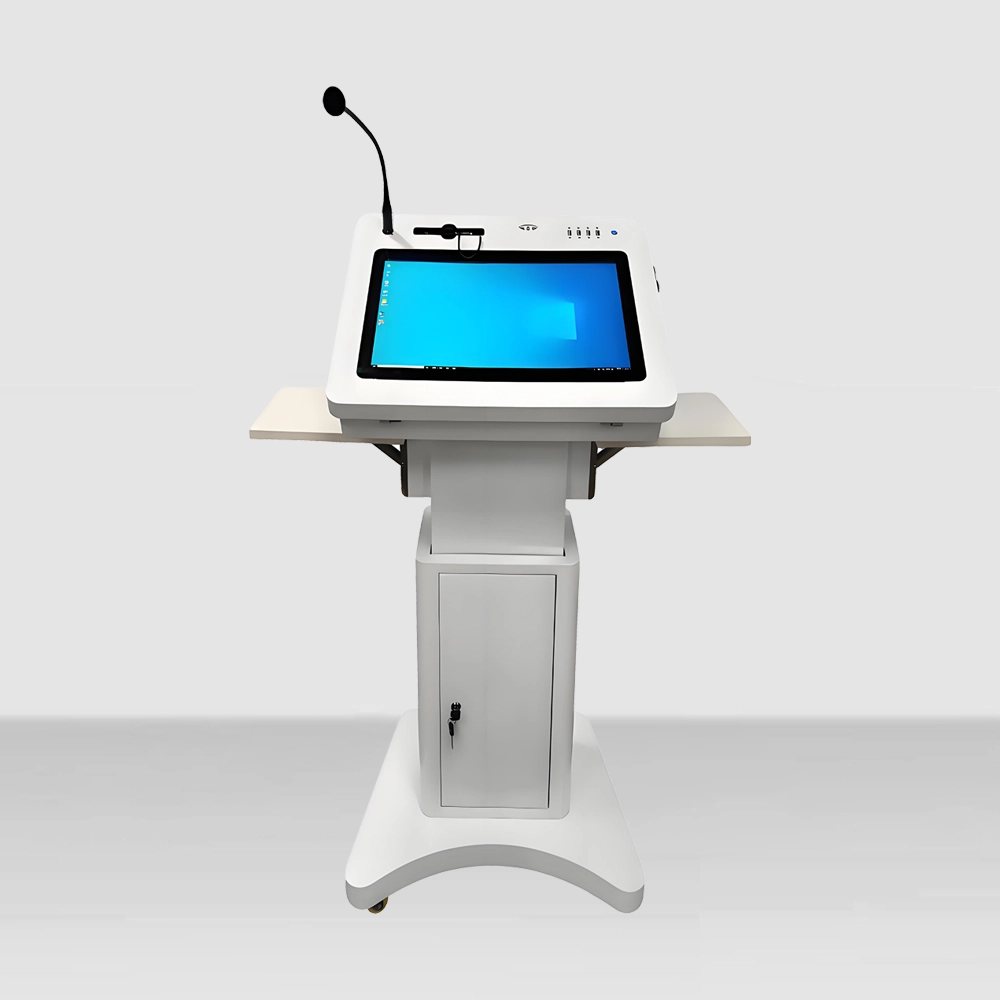
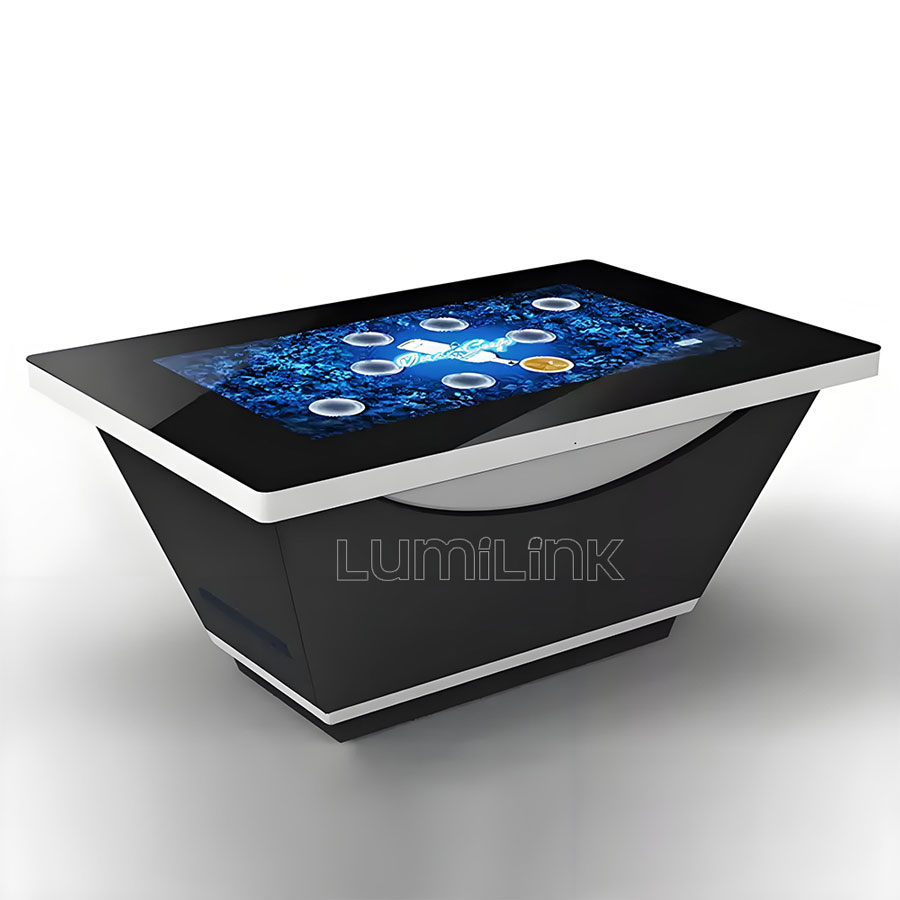
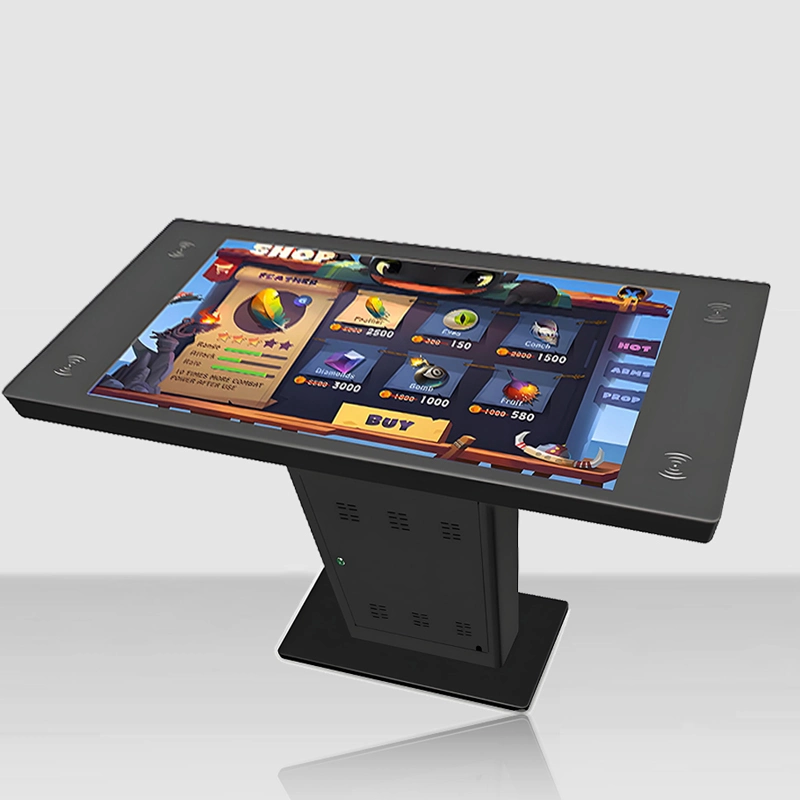
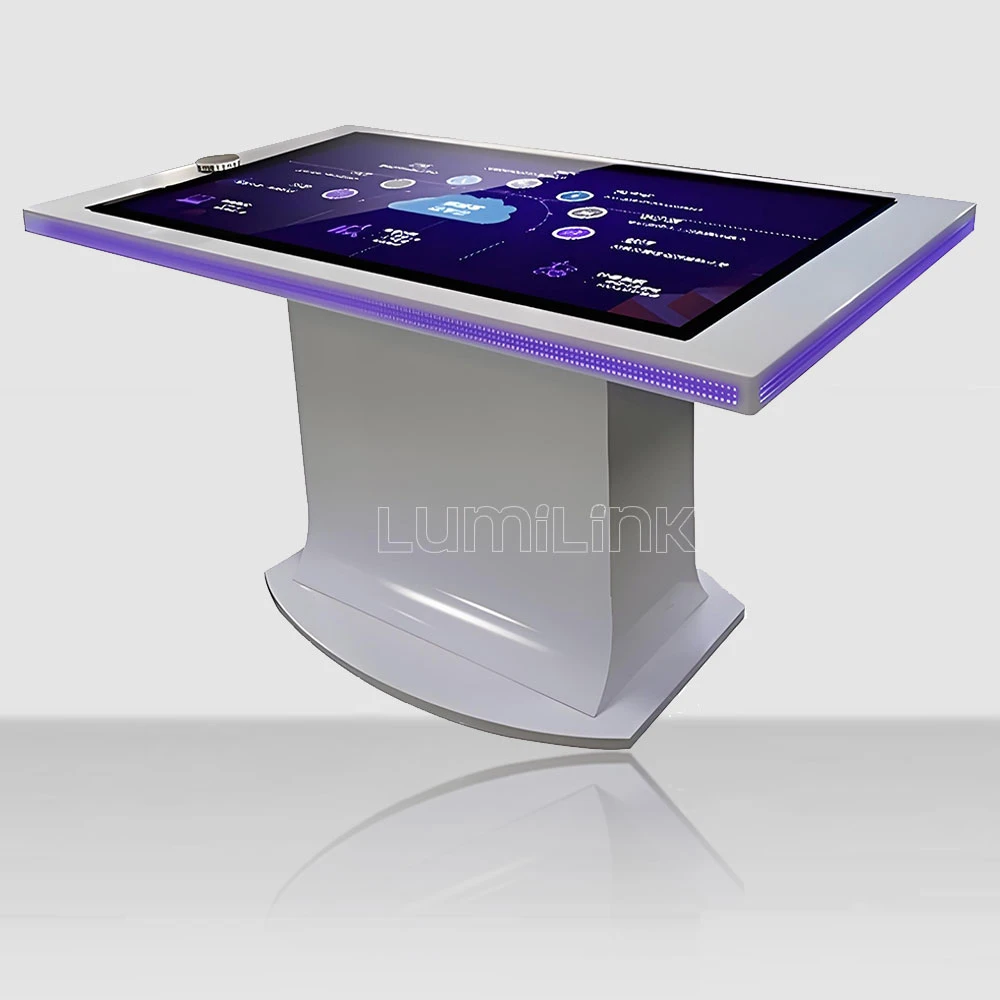

You have a project. Maybe it is a flagship retail store that needs a bespoke touch table embedded into a custom millwork counter. Maybe it is a museum exhibition requiring a 65-inch curved touch surface with specialised software. Or maybe it is a hotel chain that wants branded tables across 50 properties, each with a unique enclosure design. The standard catalogue products from most manufacturers will not work — you need a custom interactive touch table supplier that can translate your vision into hardware.
Finding that supplier is harder than it sounds. The market is full of companies that claim custom capabilities but actually offer nothing more than logo printing on standard products. This guide walks you through a structured evaluation framework so you can identify a genuine custom supplier before committing to a project, not after.
Step 1: Define What Custom Actually Means for Your Project
Before approaching suppliers, clarify what you need. Customisation exists on a spectrum, and different suppliers serve different points on that spectrum:
Level 1 — Branding customisation: Your logo on the table, custom boot screen, branded packaging. The hardware is standard. Any manufacturer can do this.
Level 2 — Configuration customisation: Non-standard screen size, specific computing specs, additional I/O ports, custom colour or finish. The chassis design is standard but components are tailored. This requires a manufacturer with flexible assembly lines.
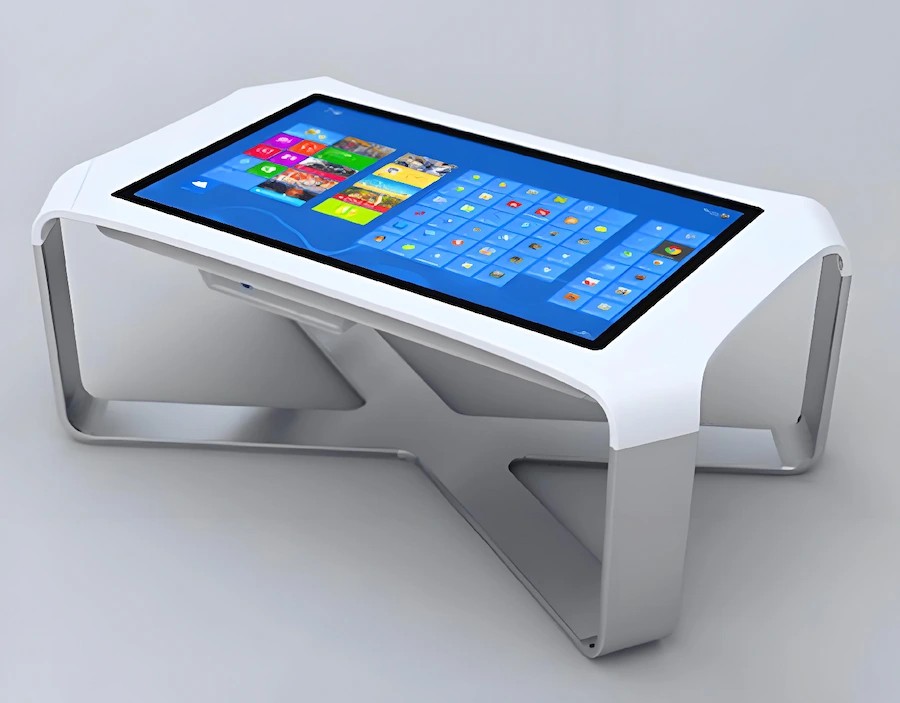
Level 3 — Enclosure customisation: Unique physical design — different shape, integrated into furniture, wall-mounted form factor, or specific material requirements (stainless steel, wood veneer, glass). This requires a manufacturer with industrial design and CNC fabrication capabilities.
Level 4 — Full custom development: Purpose-built product from scratch, including custom touch sensor layouts, non-standard display sizes, specialised software, and unique mechanical features. This requires a manufacturer with ODM engineering capabilities and a proven track record of bringing custom products to production.
Most projects fall into Levels 2 or 3. Knowing which level you need helps you filter suppliers quickly — a company that only does Level 1 branding will waste your time if you need a Level 3 custom enclosure.
Step 2: Evaluate the Supplier's Engineering Depth
A genuine custom interactive touch table supplier has engineering resources in-house, not just a sales team that forwards requirements to an unnamed factory. When evaluating a supplier, ask these questions:
Do you have in-house industrial designers? If you need a custom enclosure, someone needs to design it — create 3D models, run structural simulations, and produce fabrication drawings. If the supplier relies on you to provide complete CAD files, they are a manufacturer, not a design partner. Lumilink has an in-house design team that can take a concept sketch and develop it into production-ready engineering drawings.
Can you produce prototypes? Before committing to a production run, you need to see and touch a prototype. A capable supplier will produce a functional prototype — ideally within 4 to 8 weeks — that demonstrates the form factor, touch performance, and software integration. Be wary of suppliers who insist on full production payment before showing you anything physical.
What is your approach to thermal management? Custom enclosures often change the thermal dynamics of a touch table. A supplier who says "we will figure it out during production" is not taking this seriously. Lumilink performs thermal simulations during the design phase to ensure that custom enclosures provide adequate airflow, and we test prototypes under load to verify cooling performance before production.
How do you handle touch sensor customisation? If your project requires a non-standard touch area — a curved surface, an unusually large format, or cutouts for physical buttons — the touch sensor must be custom-designed. This is one of the most technically challenging aspects of custom touch table manufacturing. Ask the supplier about their touch sensor partners, their experience with non-standard formats, and their calibration process for custom sensors.
Step 3: Assess Manufacturing Capability and Capacity
Engineering capability is necessary but not sufficient. The supplier also needs the manufacturing infrastructure to produce your custom design consistently and reliably. Key indicators include:
| Capability | Why It Matters for Custom Projects | Red Flag |
|---|---|---|
| In-house CNC machining | Custom enclosures require precise fabrication without outsourcing delays | Supplier cannot show machining equipment or references fabrication partners vaguely |
| Clean-room assembly | Touch sensor bonding requires dust-free environment to prevent bubbles and defects | Assembly area is a standard warehouse with no environmental controls |
| QA testing lab | Custom products need the same testing rigour as standard products — impact, thermal, touch accuracy | No dedicated testing area; testing is "visual inspection only" |
| Scalable production lines | Project may scale from 10 prototype units to 500 production units without retooling | Supplier can make 5 units but has no plan for 500 |
| Inventory management | Replacement parts must be available for the product lifecycle, not just the production run | No parts stocking policy; once production ends, parts are unavailable |
Step 4: Understand the Project Workflow
A well-organised custom interactive touch table supplier follows a structured project workflow. If the supplier's process is opaque or ad hoc, your project will suffer from delays, miscommunication, and quality issues. Here is the workflow Lumilink follows for custom projects:
Discovery and requirements gathering (Week 1-2): We start with a detailed consultation to understand your use case, environment, user flow, and technical requirements. This includes reviewing architectural drawings, brand guidelines, software specifications, and any regulatory requirements. The output is a requirements document that both parties sign off on before design begins.
Industrial design and engineering (Week 3-6): Our design team creates 3D concept renders and engineering drawings. We review these with you in iterative cycles, refining the design based on your feedback. Once the design is approved, we produce fabrication drawings, BOM (bill of materials), and a production timeline.
Prototype development (Week 7-10): We build a functional prototype using the specified materials, components, and software. The prototype is tested internally and then shipped to you for evaluation. This is your opportunity to verify form factor, touch performance, visual appearance, and software functionality before committing to production.
Production and QA (Week 11-16, depending on volume): After prototype approval, we begin production. Each unit goes through the same QA testing protocols as our standard products — burn-in, impact, spill, touch accuracy, and thermal cycling. We provide weekly progress updates and can arrange factory inspections during production.
Shipping and deployment support (Week 17+): We handle packaging, shipping documentation, and logistics. For large deployments, we can provide on-site installation support and training. Post-deployment, we offer warranty service, replacement parts, and ongoing technical support.
Step 5: Evaluate Total Cost of Ownership
Custom products cost more than catalogue products — that is expected. But the total cost of ownership extends beyond the unit price. When comparing suppliers, factor in:
Prototype costs: Most custom suppliers charge for prototype development, typically $2,000 to $8,000 depending on complexity. This cost may be credited toward production orders. Be clear about how prototype costs are handled before starting.
Tooling and setup fees: Custom enclosures may require tooling — moulds, jigs, or CNC programs — that adds $1,000 to $10,000 to the project. These are one-time costs that should be itemised separately from unit pricing.
Unit pricing by volume: Unit price decreases with order volume. Ask for pricing at multiple volume breakpoints (10, 50, 100, 500 units) to understand the economies of scale. Ensure pricing is firm for a defined period — material costs fluctuate, and you need predictable pricing for budgeting.
Warranty and support costs: What does the warranty cover, and what costs extra? Is extended warranty available? What are the terms for replacement parts after the warranty period? A supplier with a slightly higher unit price but comprehensive warranty coverage may be cheaper over five years than one with a low unit price and expensive post-warranty support.
Shipping and logistics: Custom products may require special packaging, freight insurance, or customs documentation. Confirm whether the quoted price includes delivery to your facility or if shipping is billed separately. For international shipments, understand who handles import duties and customs clearance.
Red Flags to Watch For
Not every supplier who claims custom capabilities can deliver. Watch for these warning signs:
Refusing to sign an NDA before discussing your project. If a supplier will not protect your intellectual property, do not share your designs with them. A reputable custom interactive touch table supplier signs NDAs routinely and has standard processes for handling confidential information.
No physical address or factory photos. A supplier whose website shows only product renders and stock photos, with no images of their actual facility, may be a trading company. Request a live video tour of the production area — if they refuse, walk away.
Unrealistically fast timelines. A genuine custom project takes 10 to 16 weeks from concept to production. A supplier who promises delivery in 3 weeks is either lying or cutting corners that will result in quality problems.
No references from previous custom projects. Ask for case studies or references from clients who have ordered custom products. Contact those references and ask about the supplier's communication, quality, and post-sale support. If the supplier cannot provide references, they have not done custom work before.
Pressure to skip the prototype phase. Some suppliers will try to convince you that prototypes are unnecessary or too expensive, pushing you directly to production. This is almost always a sign that they are not confident in their ability to produce a functional prototype — or that they plan to figure out the design on your dime during the production run. A prototype is not optional for any custom project above Level 2. The cost of discovering a design flaw during production is ten times higher than catching it during prototyping.
Pricing that seems too good to be true. If a supplier's quote is 40 percent below every other quote you have received, something is wrong. They may be using consumer-grade components, skipping quality control steps, or planning to substitute materials after you commit. Quality manufacturing has a floor cost — below that floor, corners are being cut. Compare quotes critically and ask suppliers to explain significant price differences. A reputable supplier will walk you through their cost structure and explain where value is being delivered.
Why Lumilink Is the Right Custom Supplier
Lumilink has been manufacturing custom interactive touch tables for over a decade. Our in-house team includes industrial designers, mechanical engineers, software developers, and QA specialists. We own our production facility, with CNC machining, clean-room assembly, and a dedicated testing lab. Our custom projects span retail flagships, museum exhibitions, hotel chains, and corporate installations across 30+ countries.
We understand that a custom project is not just about hardware — it is about delivering a complete solution that meets your design vision, timeline, and budget. Request a Custom Quote to discuss your project requirements. Our team will respond within 24 hours with initial recommendations and a proposed project timeline.
The right custom interactive touch table supplier does more than build a product — they become an extension of your team, invested in the success of your project from the first concept sketch to the final installation. Choose carefully, ask the hard questions, and partner with a manufacturer who has the engineering depth, production capability, and long-term commitment to deliver.